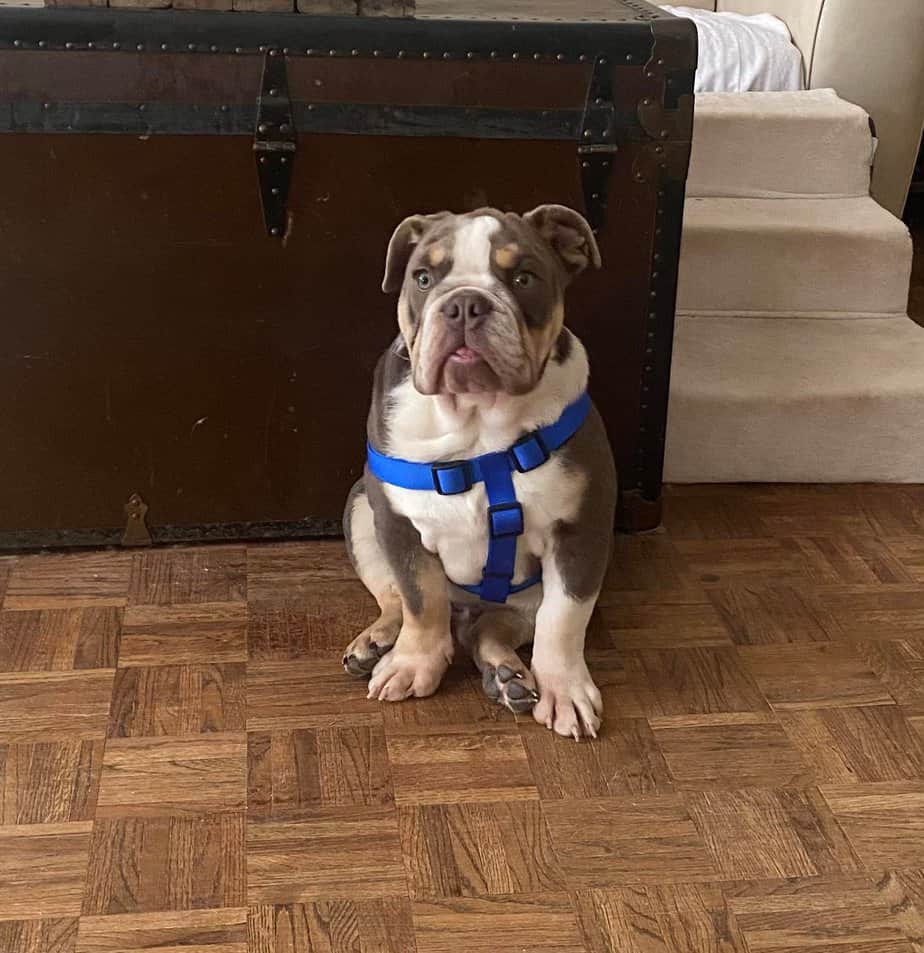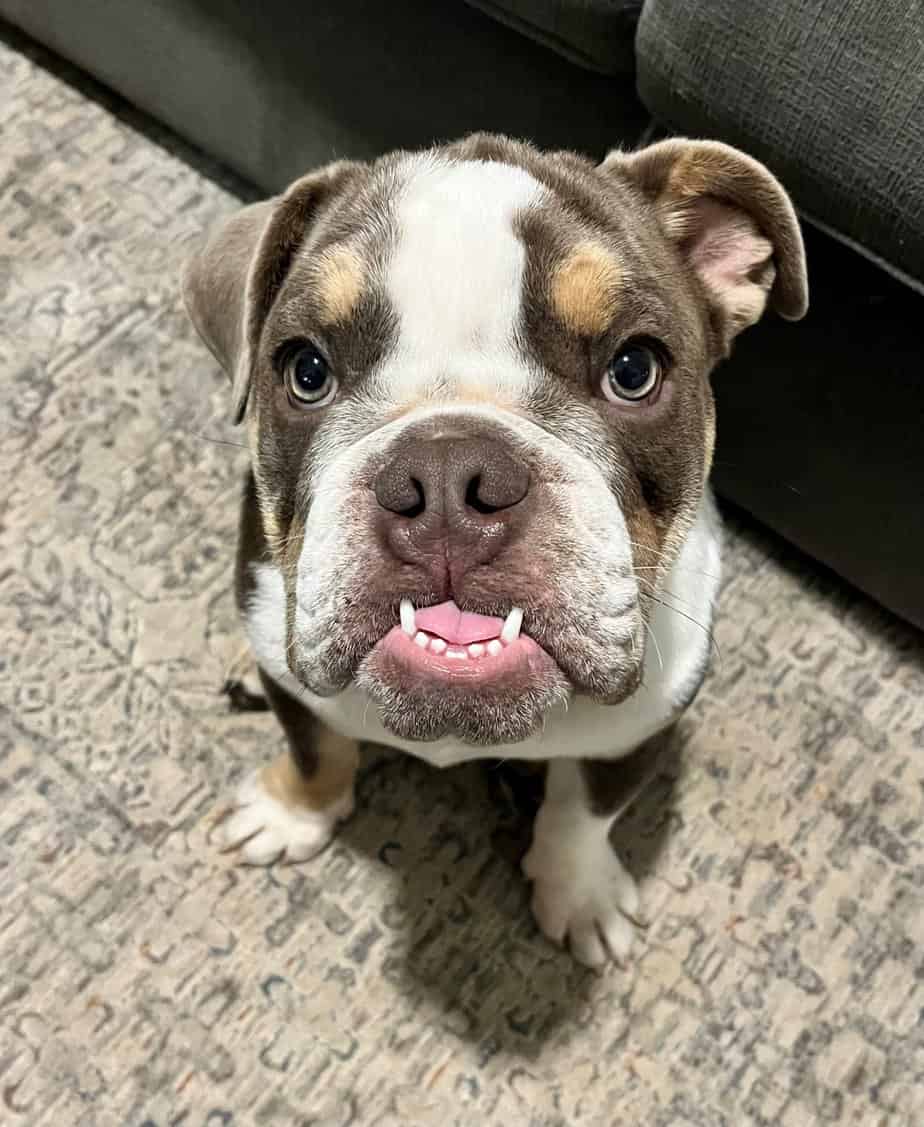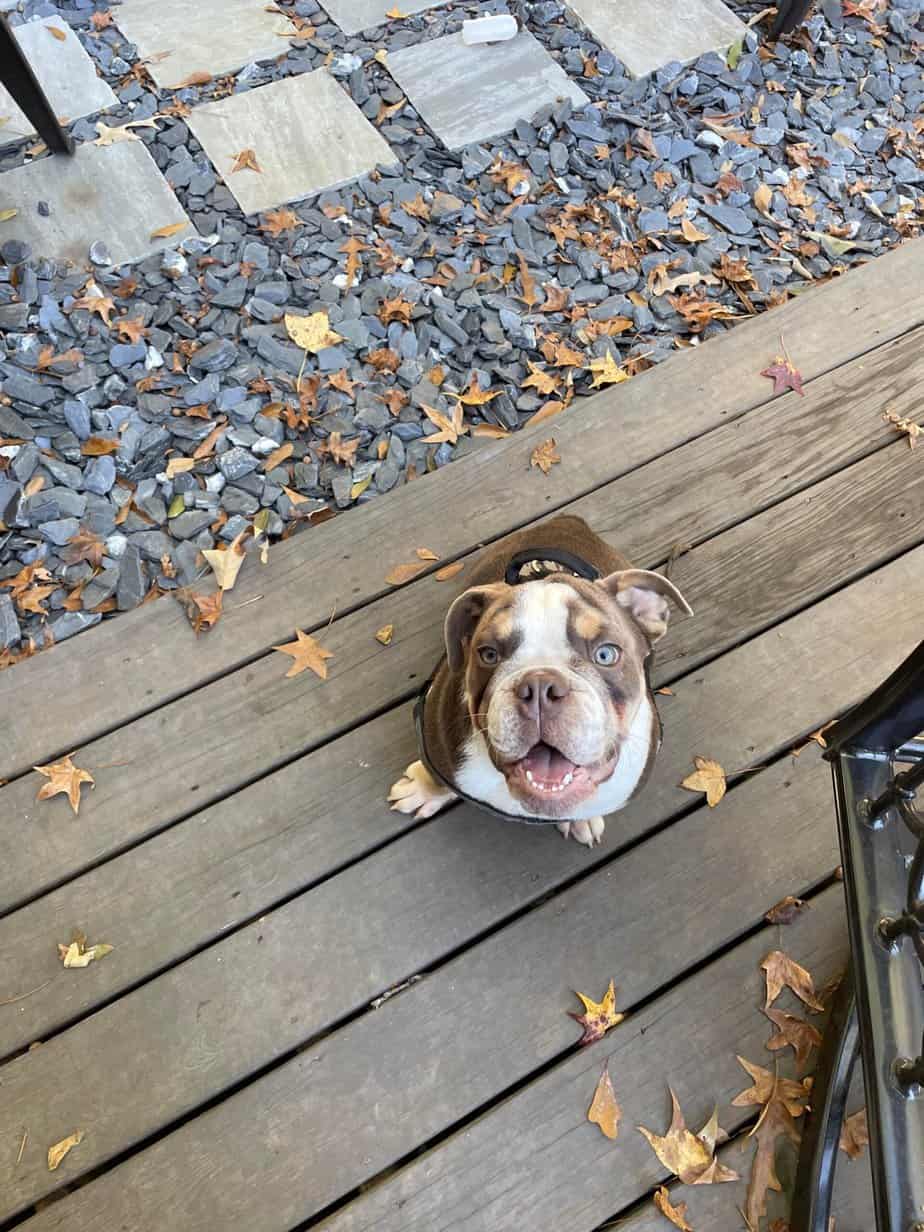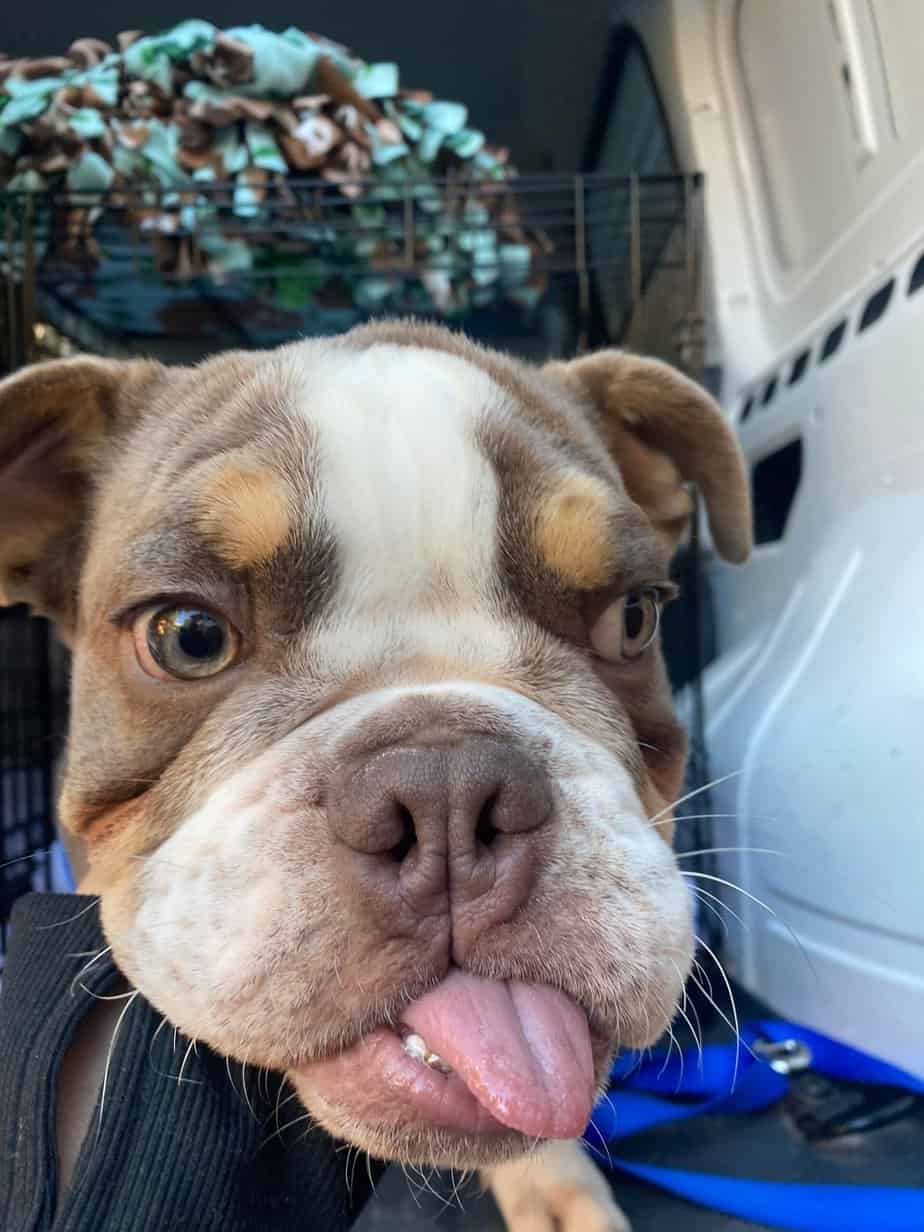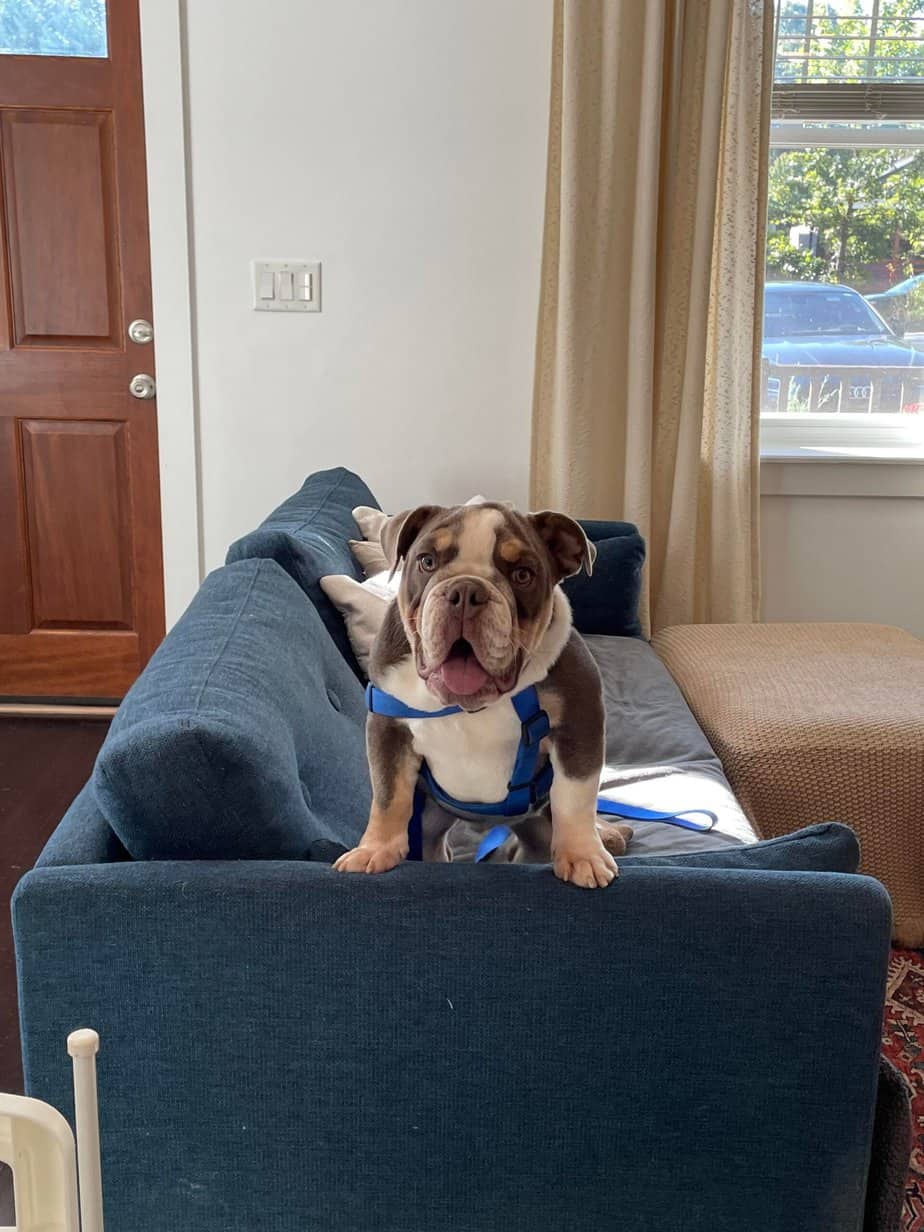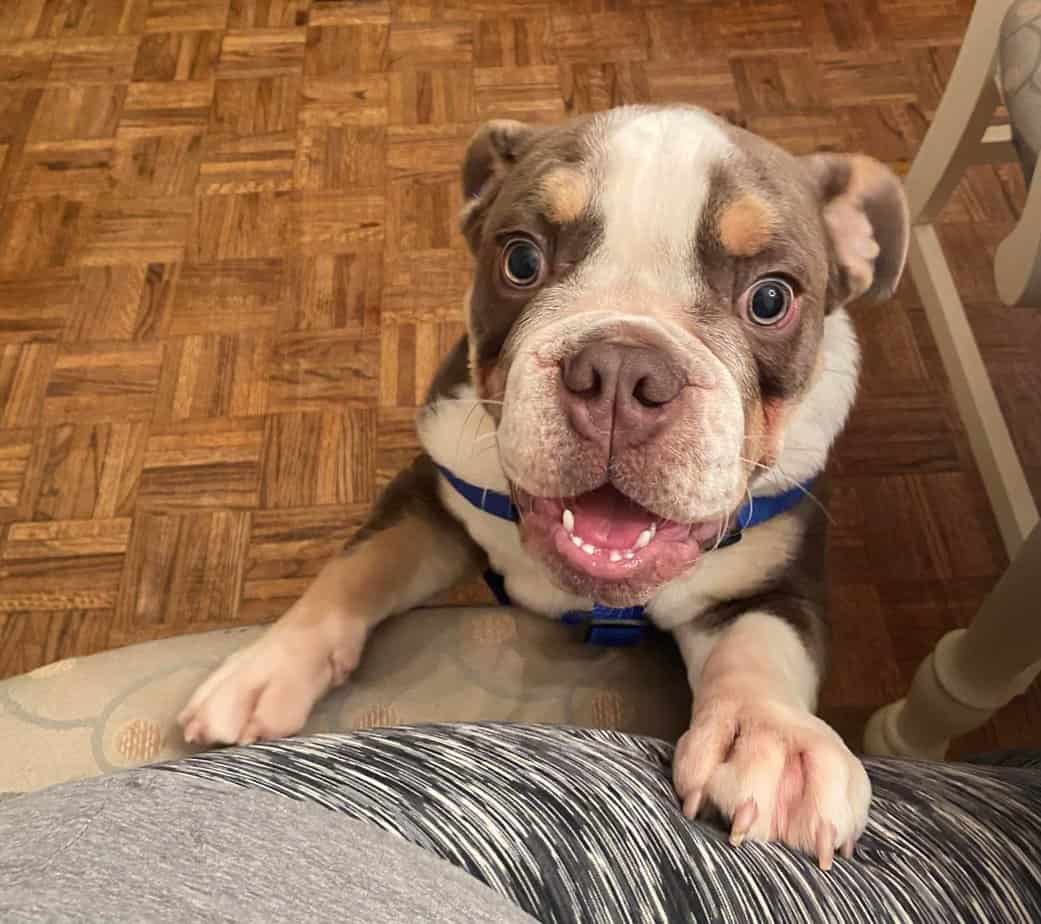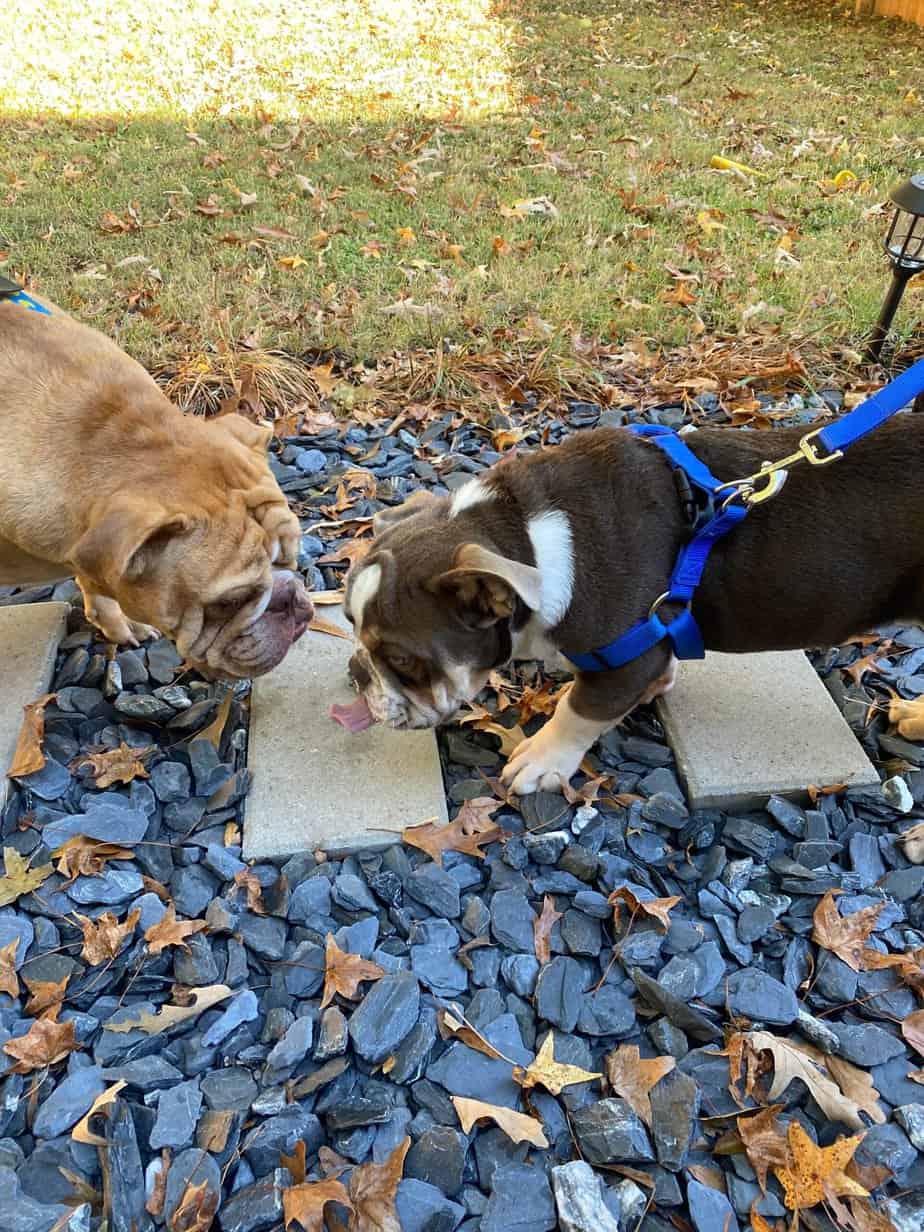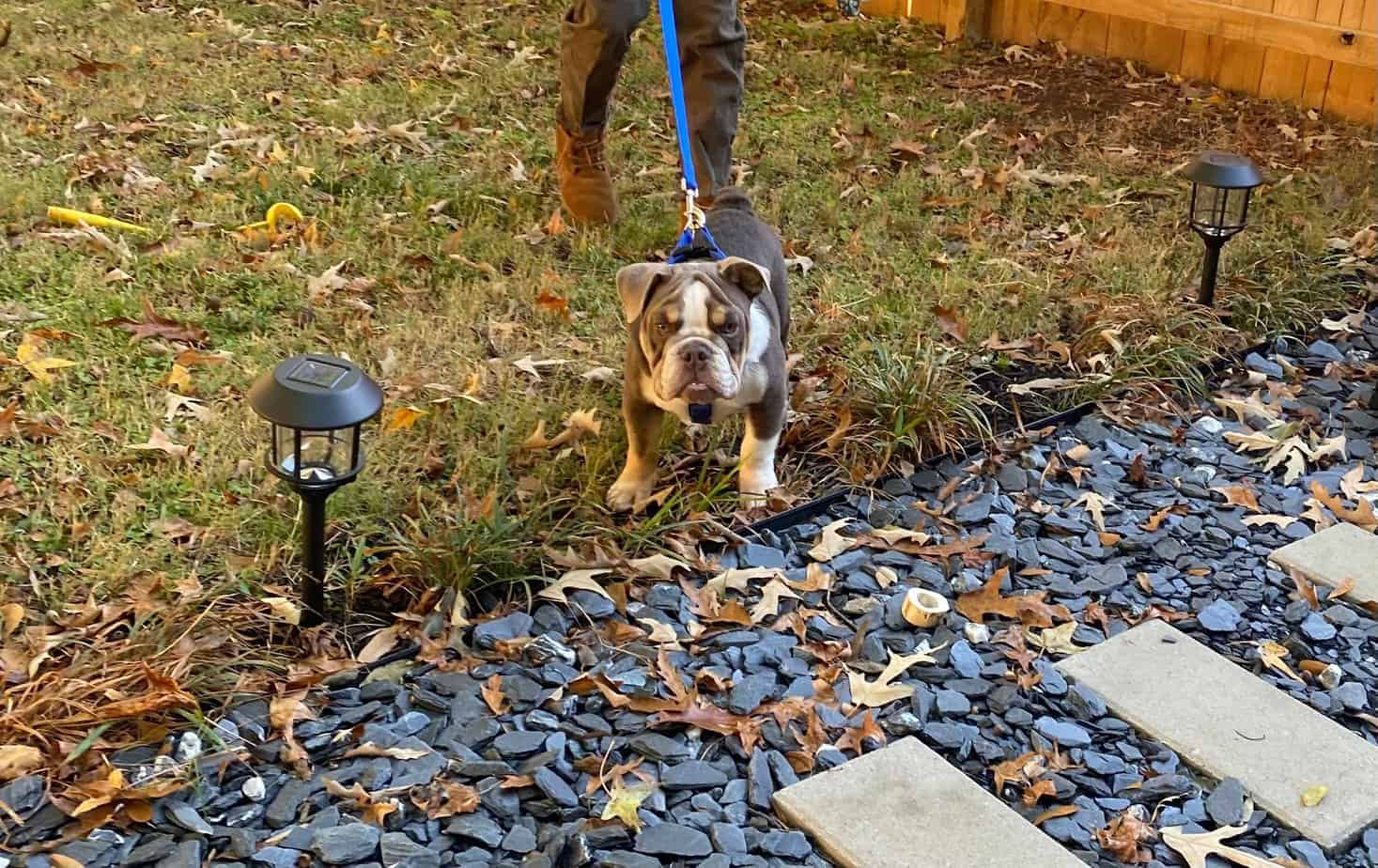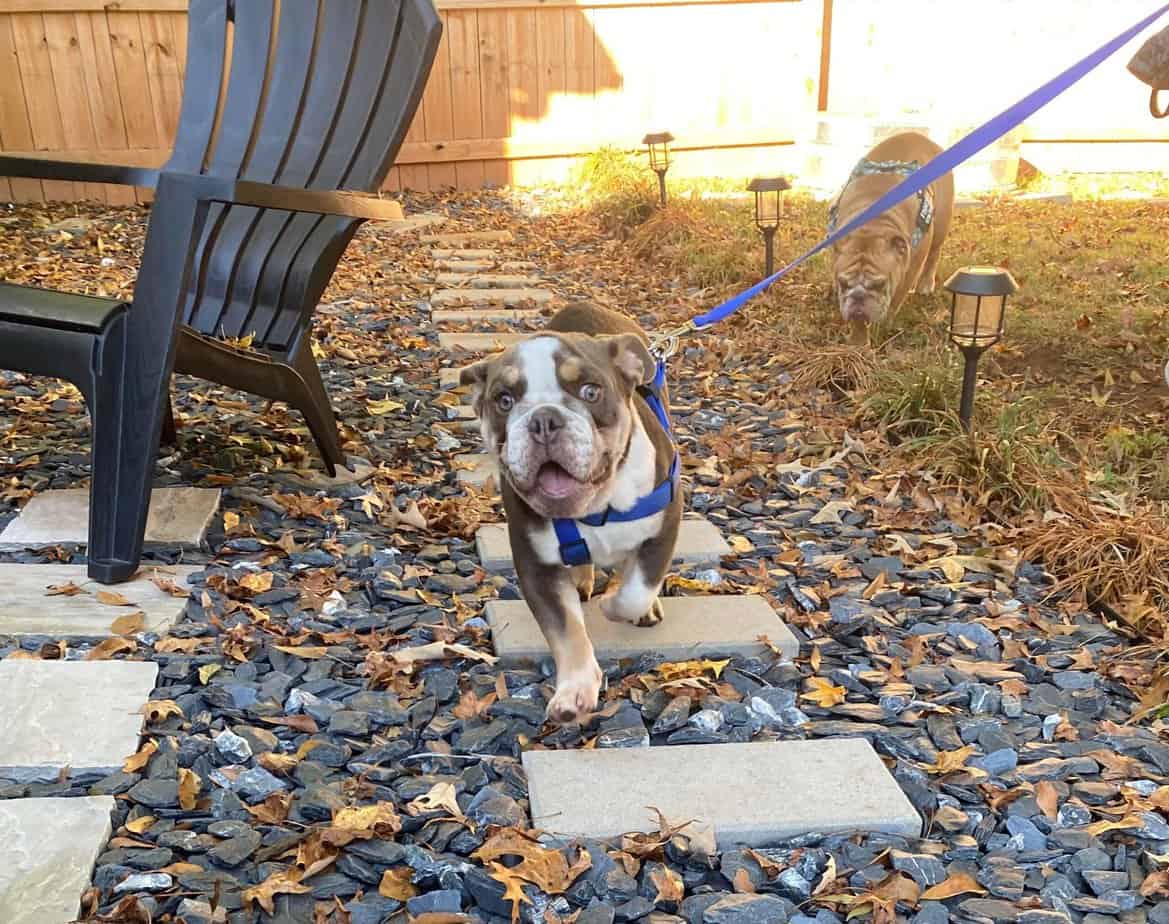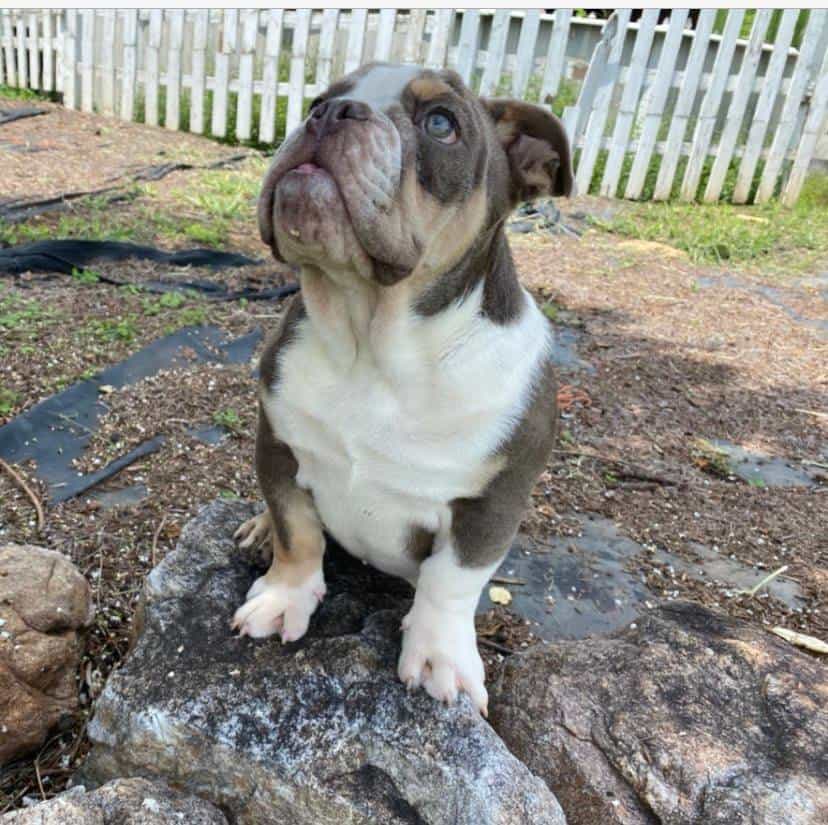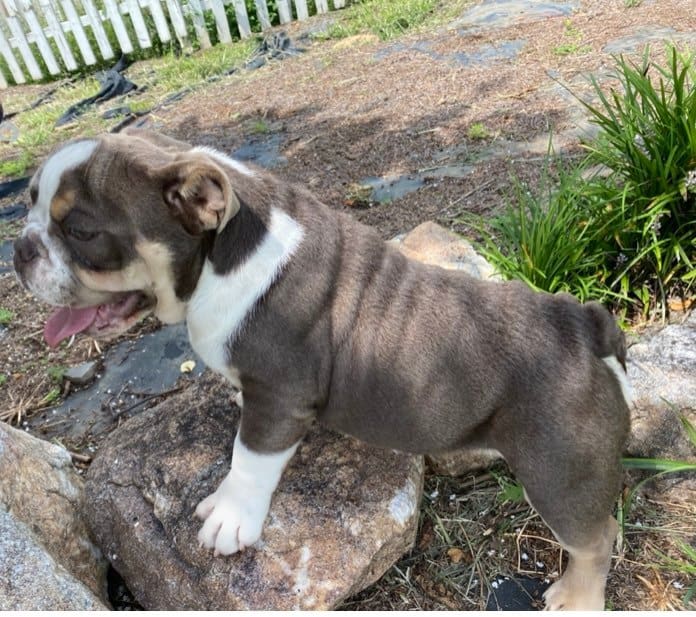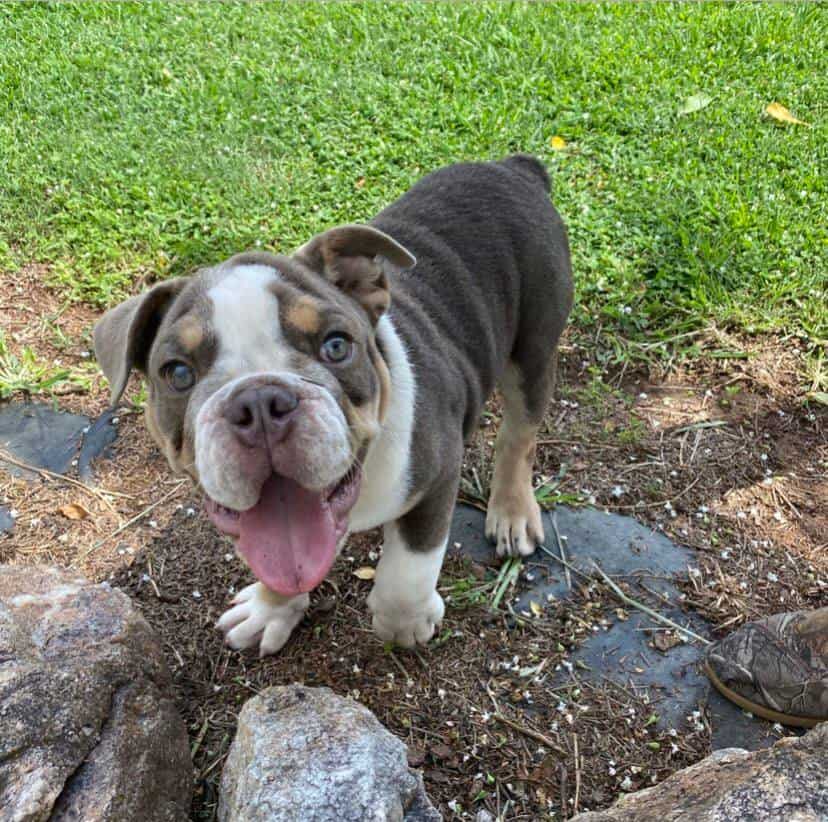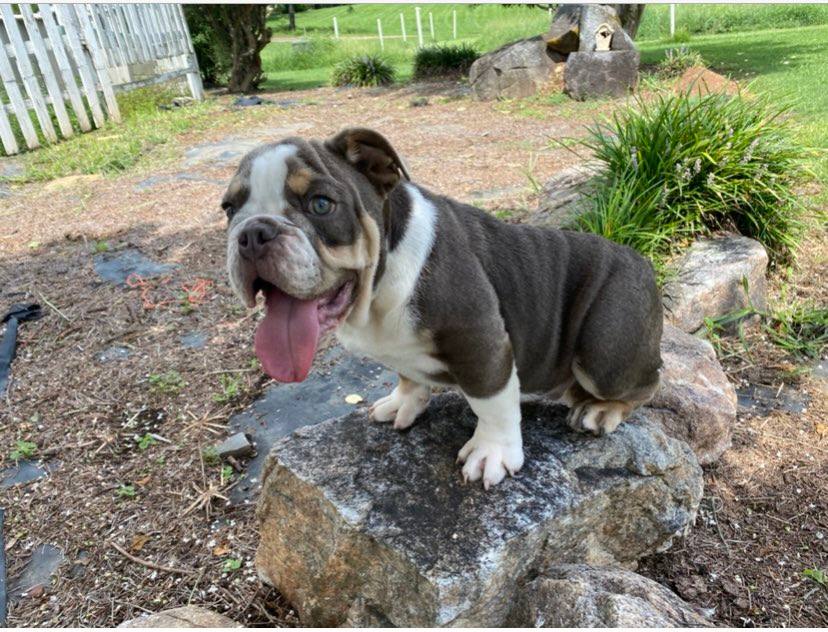

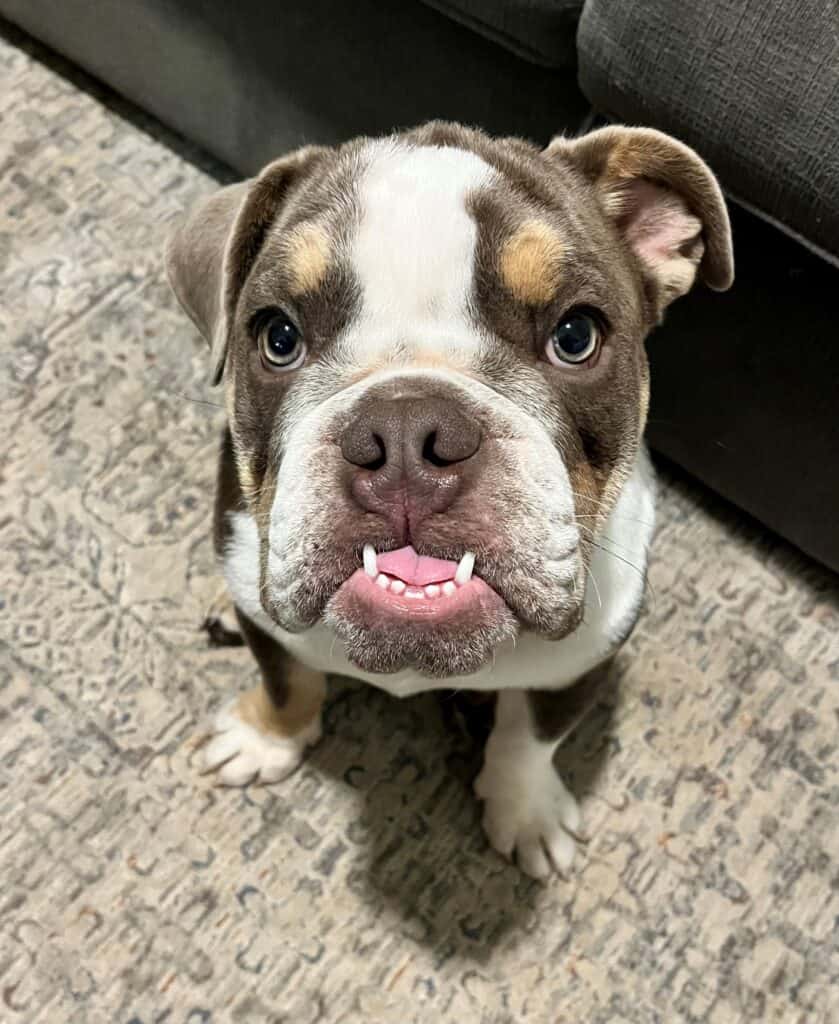
9/28/22 – Please welcome Sam! Sam was turned over to us by his breeder because of a heart murmur. He is 5 months old. He will see the cardiologist in a few weeks so we can determine what care and surgery he will need.
10/10/22 – Sam saw the cardiologist today
ASSESSMENT:
Sam presented to the UGA Cardiology Service for further assessment of his previously diagnosed severe pulmonary stenosis. After evaluating Sam’s heart on an echocardiogram (ultrasound of the heart), we have confirmed his diagnosis of severe pulmonic stenosis. Sam also has a patent foramen ovale. He had a measured pressure gradient between his right ventricle and pulmonary artery (artery from the right heart to the lungs) of 92 mmHg. This is decreased from the values that Sam received on his previous echocardiogram (178 mmHg). This decrease in pressure suggests that Sam’s atenolol (beta blocker heart medication) has been moderately effective at managing his heart issues. Despite this substantial decrease, Sam’s pulmonary stenosis is still severe, and with significant secondary changes to the structure of his right heart, catheterized treatment with a balloon valvuloplasty is still recommended.
Pulmonic stenosis is a congenital heart defect of the pulmonic valve, which is located between the right ventricle and the pulmonary artery (great vessel that takes blood to the lungs). In dogs with pulmonic stenosis, the leaflets of this valve are thickened and/or partially fused together. Sam also has evidence of pulmonic insufficiency due to dysplasia (malformation) of his pulmonic valve. Therefore, during diastole (ventricular filling period), there is back flow of blood into the right ventricle. In normal dogs, blood flows from the right ventricle through the pulmonic valve, to the pulmonary artery, and finally to the lungs to get oxygen. In Sam’s case, however, the pulmonic valve is severely thickened, narrow, and malformed. Therefore, the right side of the heart has to work much harder to pump blood out of the heart and into the lungs due to both pressure and volume overload. Because of this increased work load placed on the right heart, the heart muscle has become thickened as well. Even though Sam’s pressure gradient in his heart has decreased on atenolol, we ultimately recommend a surgical procedure to correct Sam’s pulmonic stenosis since severe pulmonic stenosis persists despite medical management. Atenolol can reduce the likelihood of developing a life-threatening arrhythmia prior to surgery. Please do NOT stop this medication without consulting with a veterinarian.
As discussed, in patients with severe pulmonic stenosis like Sam, we recommend a procedure called balloon valvuloplasty. This procedure involves placing Sam under general anesthesia and inserting a long catheter with an inflatable balloon at its tip across the narrowed valve. The balloon is inflated at the area of narrowing to dilate the stenotic tissue. Our goal is to widen the narrowed valve, allowing increased blood flow through the valve, thereby decreasing the work required by the heart to move blood forward. Though uncommon, valvar stenosis can recur in approximately 16-20% of patients after the procedure. Other potential complications of the procedure include: death from hemorrhage or cardiac arrhythmias, the formation of blood clots that may cause secondary damage to the lungs, and damage to another valve in the heart (tricuspid valve). Thankfully, Sam has already been on atenolol, as there are multiple benefits of being pre-treated with atenolol before attempting a balloon valvuloplasty. The estimated cost of a balloon valvuloplasty is $4,500-5,500. Without surgical correction, most patients with severe pulmonic stenosis develop right-sided congestive heart failure within the first 2-5 years of life. As mentioned previously, arrhythmias are also common, and can lead to sudden cardiac death. The mean survival time following surgery depends on the reduction in the pressure gradient that can be achieved by the procedure and by the severity of changes already present in the heart muscle at the time of surgery. Sam already has significant changes (thickening) to the right lower heart muscle (the ventricle). In some cases, particularly in young dogs, the heart can reverse remodel (improve in regard to thickening) following a reduction in the pressure gradient, and this is our hope for him!
A patent foramen ovale was also found, and is a communication between the atria. During fetal life, the foramen ovale, a flapped oval opening of the interatrial septum, allows shunting of blood from the right atrium to the left atrium to bypass the nonfunctional lungs. At birth, the drop in right atrial pressure and rise in left atrial pressure cause the foramen ovale to close and shunting to cease. Increased right atrial pressure may prevent closure of the foramen ovale and lead to persistent shunting through a patent foramen ovale. Signs of this process can include exercise intolerance, coughing upon exercise with excitement, and syncope. You have not observed any of these signs at home. The presence of the patent foramen ovale can also provide risks during anesthesia including the same risks as mentioned above including death from hemorrhage or cardiac arrhythmias.
11/15/22 – Sam went to UGA for heart surgery today but they were unable to do the procedure.
ASSESSMENT:
Sam was presented to the UGA Cardiology Service for transvenous treatment of his previously diagnosed pulmonary valve stenosis with a balloon valvuloplasty. As a reminder, pulmonary valve stenosis is a congenital heart defect of the pulmonary valve, which is located between the right ventricle and the pulmonary artery (great vessel that takes blood to the lungs). In dogs with pulmonary valve stenosis, the leaflets of this valve are thickened and/or partially fused together. In normal dogs, blood flows from the right ventricle through the pulmonary valve, to the pulmonary artery, and finally to the lungs to get oxygen. In Sam’s case, however, the pulmonary valve is severely thickened, narrow, and malformed. Therefore, the right side of the heart has to work much harder to pump blood out of the heart and into the lungs due to both pressure and volume overload. Because of this increased work load placed on the right heart, the heart muscle has become severely thickened as well.
As previously discussed, in patients with severe pulmonary stenosis like Sam, we recommend an interventional procedure called balloon valvuloplasty, which was the goal of today’s visit. This procedure involves placing Sam under general anesthesia and inserting a long catheter with an inflatable balloon at its tip across the narrowed valve. The balloon is inflated at the area of narrowing to dilate the stenotic tissue. Our goal is to widen the narrowed valve, allowing increased blood flow through the valve, thereby decreasing the work required by the heart to move blood forward.
Unfortunately, when Sam was anesthetized, he experienced complications that prevented us from performing the balloon valvuloplasty. While under general anesthesia, prior to placement of the balloon, Sam became hypoxic (poor oxygen perfusion) and bradycardic (slow heart rate). Adjustments made by the anesthesia team did not sufficiently improve these abnormalities, therefore surgery was halted and Sam’s anesthesia was reversed. He was placed under constant monitoring in the intermediate care ward and recovered successfully with no further complications. We believe that his poor oxygen saturation was likely related to shunting of deoxygenated blood through his patent foramen ovale. This is a communication between the right and left atrium that is allows blood to bypass the lungs in utero, but in dogs with right-sided disease, as Sam has, this can remain open, allowing deoxygenated blood to bypass the lungs, resulting in a decreased amount of oxygenated blood being sent to the rest of the body.
At this time, we are unable to re-attempt surgical intervention. The Cardiology Service is working collectively with the Anesthesia Service to create an anesthetic protocol that minimizes the risk of recurring complications. In the meantime, we will maintain his atenolol dose to help delay the progression of structural and functional cardiac changes. However, due to the severity of Sam’s heart condition, medical management is not a viable solution for long term treatment. In dogs like Sam, there is a 53% mortality rate for dogs with severe pulmonary valve stenosis that do not undergo balloon valvuloplasty. The dogs have in increased risk of life- threatening complications such as right-sided congestive heart failure, arrhythmia development, and/or syncopal events (collapse due to poor oxygen levels).
Prognosis following surgery depends on the reduction in the pressure gradient that can be achieved by the procedure and by the severity of changes already present in the heart muscle at the time of surgery. Sam already has significant changes (thickening) to the right lower heart muscle (the ventricle) and enlargement of the right upper chamber (the atrium). In some cases, particularly in young dogs, the heart can reverse remodel (improve in regard to thickening) following a reduction in the pressure gradient, which is ultimately our
hope for Sam.
Ultimately, we hope that an optimized plan for anesthesia will allow us to successfully perform the balloon valvuloplasty. However, there is a chance that, even with an improved protocol, he could still experience similar complications that would prevent us from successfully completing the balloon valvuloplasty. If this is the case, he can only be managed with medical therapy.
Because we did access Sam’s right jugular vein, we do recommend avoiding neck leads or collars for the at least the next ten days to allow this site to heal appropriately. We also recommend keeping him calm during this time and avoiding.
We will contact you once anesthetic planning is complete. In the meantime, please continue to monitor Sam at home and contact us if any clinical signs arise.
November 22nd, 2022 – Sam crossed over the Rainbow Bridge today from heart complications. Please keep his foster family in your thoughts.
Rest in Peach Same
Bully Bag Sponsors: Carol Robertelli, Baela